

International Museum Day From Nanjing to Caen: A Decade of Resonance Between Two Memorial Museums Connecting the World
May 18, 2026 marks International Museum Day, whose theme this year is “Museum: A Bridge Connecting the World”. On this occasion, the Memorial Hall of the Nanjing Massacre Victims (by Japanese Invaders) and the Caen Memorial Museum in France jointly reflected on a decade of institutional cooperation.
In 2016, the “Common Witness: The Nanjing Massacre (1937)” exhibition was presented at the Caen Memorial Museum for the first time. Following the inscription of the Documents of Nanjing Massacre on the Memory of the World Register, it became the first exhibition on the European continent to confront this chapter of history directly, generating a strong public response. In the same year, the two museums signed a friendship agreement.
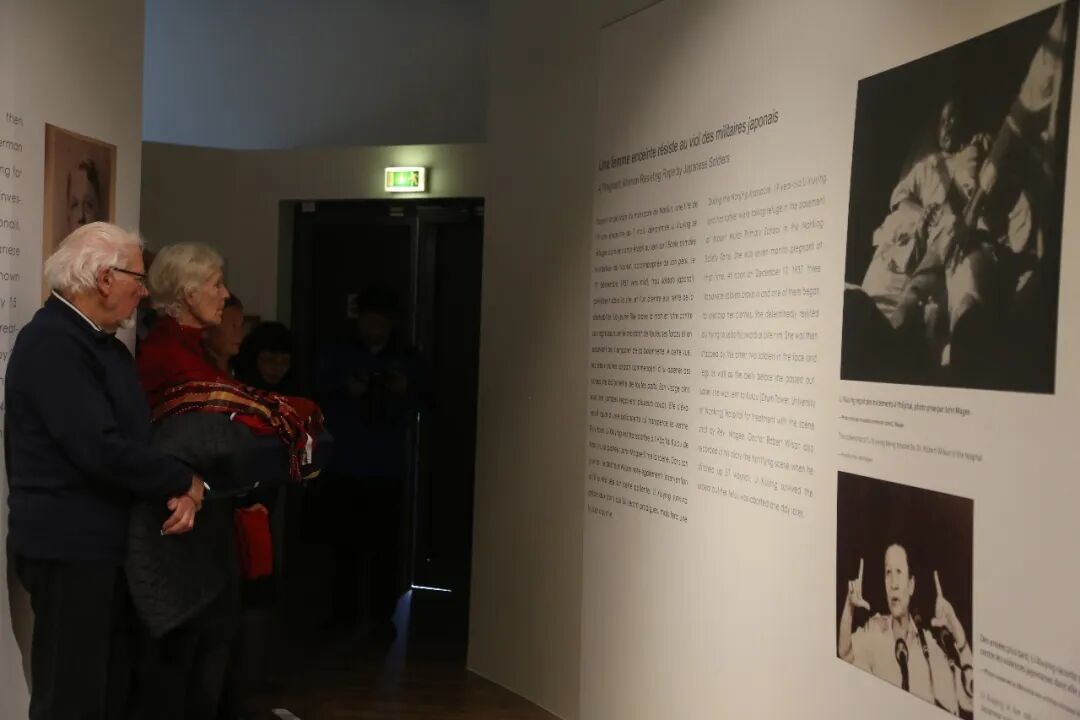
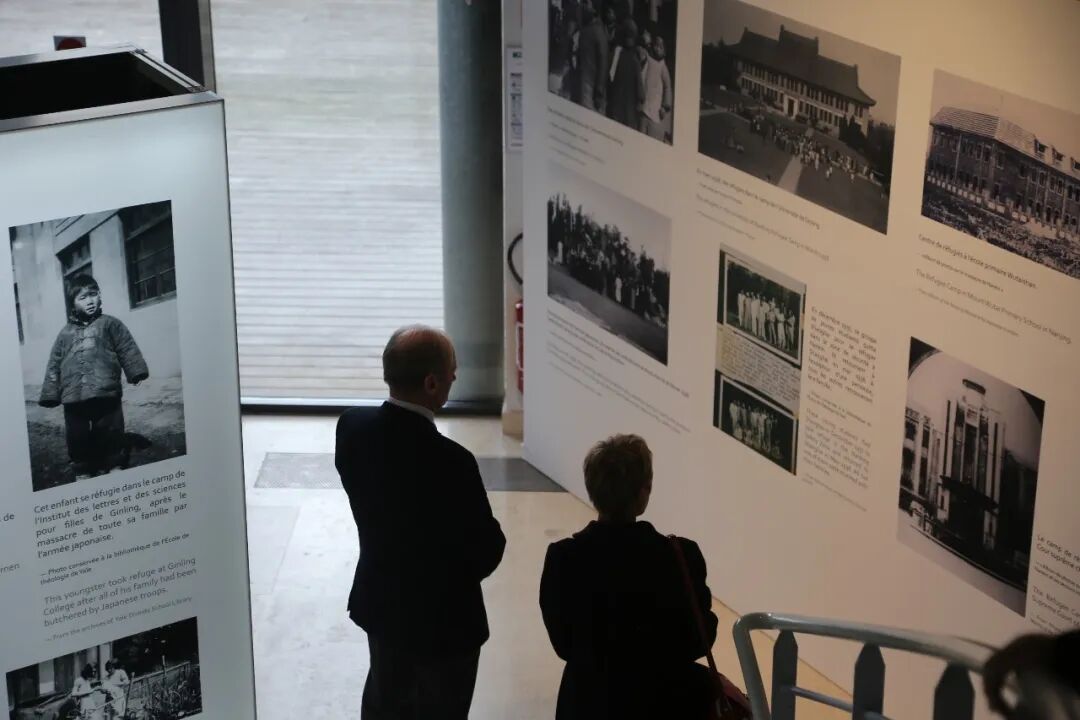
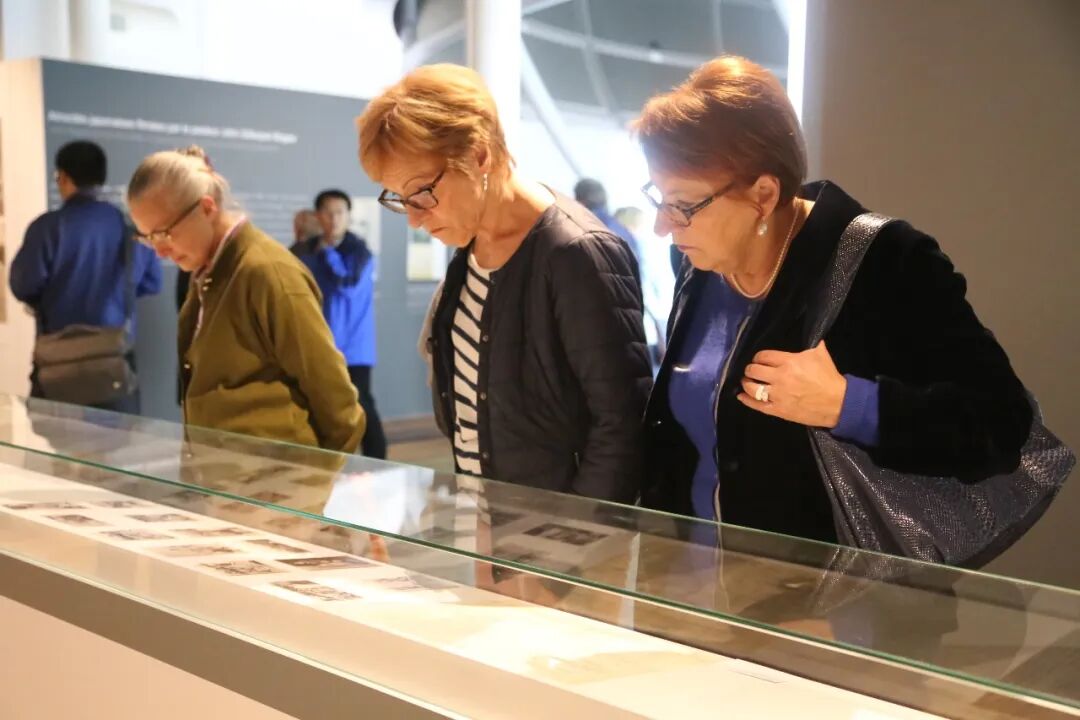
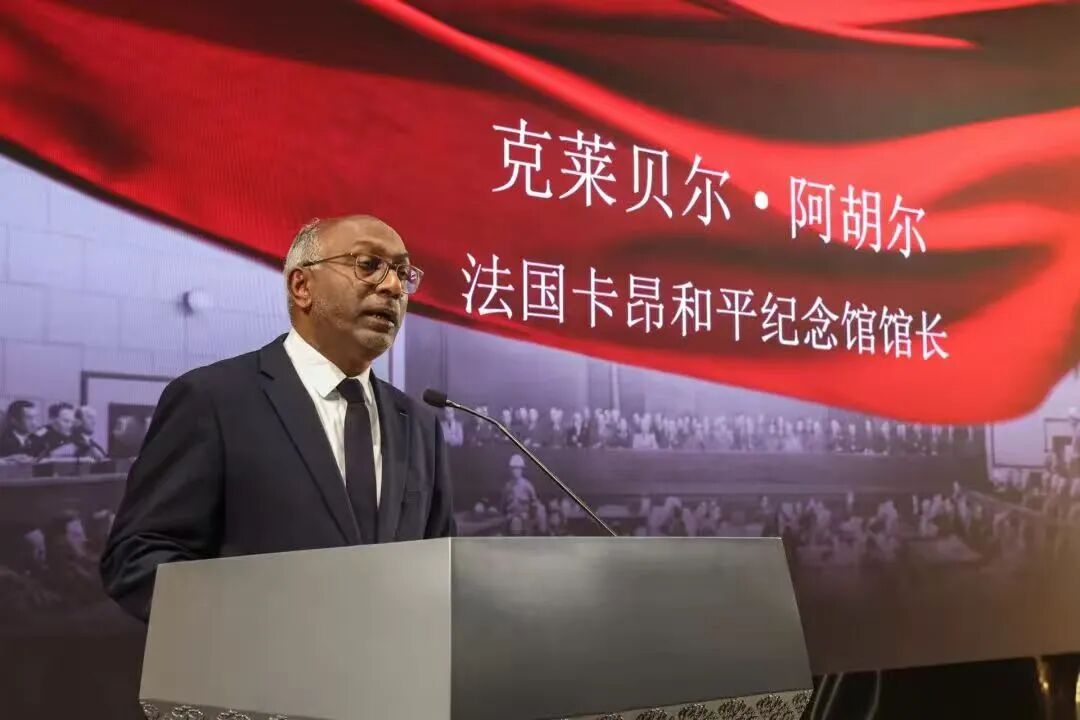
In April 2026, Kléber Arhoul, Director of the Caen Memorial Museum, traveled to Nanjing to participate in activities commemorating the 80th anniversary of the opening of the Tokyo Trial. He remarked, “The Nuremberg Trials and the Tokyo Trial are pivotal chapters in human history. Historical research is the most powerful means of combating denial and forgetting.”
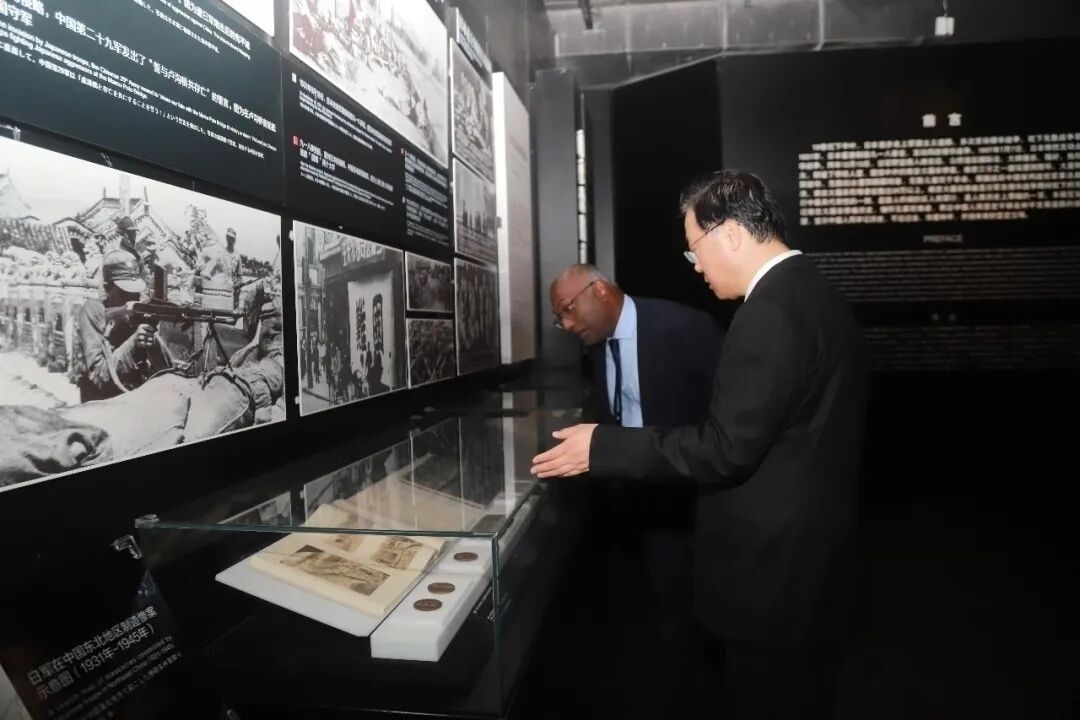
Zhou Feng, Director of the Memorial Hall, accompanied Director Kléber Arhoul on a visit to the “Nanjing Massacre Exhibit”
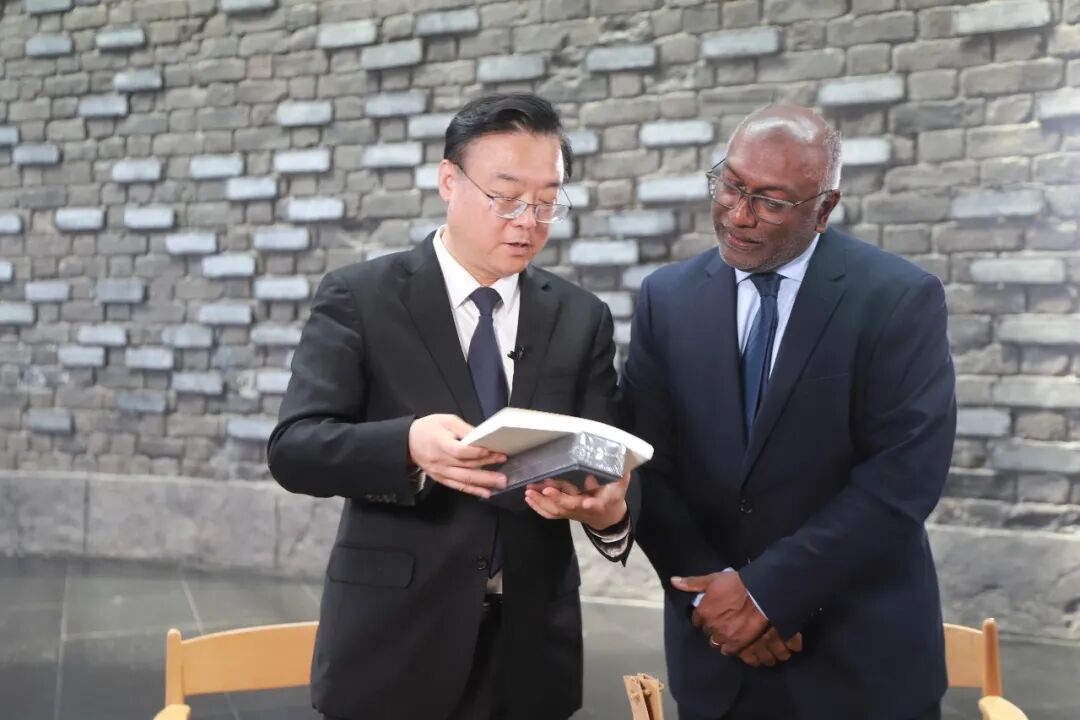
Director Zhou Feng and Director Kléber Arhoul exchanged views on recent developments in research concerning the history of the Nanjing Massacre
Over the past decade, the two museums have built a bridge of understanding and peace between East and West. The Caen Memorial Museum has established an exhibition area dedicated to the Nanjing Massacre and welcomes nearly 800,000 visitors annually. Meanwhile, the Memorial Hall has continued its efforts to bring “The Memory of Nanjing” to audiences around the world.
On the eve of International Museum Day, the Memorial Hall issued an initiative to the Caen Memorial Museum, “Let us stand together to safeguard historical memory, convey the message of peace, and contribute the strength of our two institutions to building a community with a shared future for mankind.” Director Kléber Arhoul responded that he hopes to further enrich the museum’s Nanjing Massacre exhibition area, deepen research into related historical materials, and strengthen cooperation between the two institutions so that the memory of this history may take deeper root in the Western world.