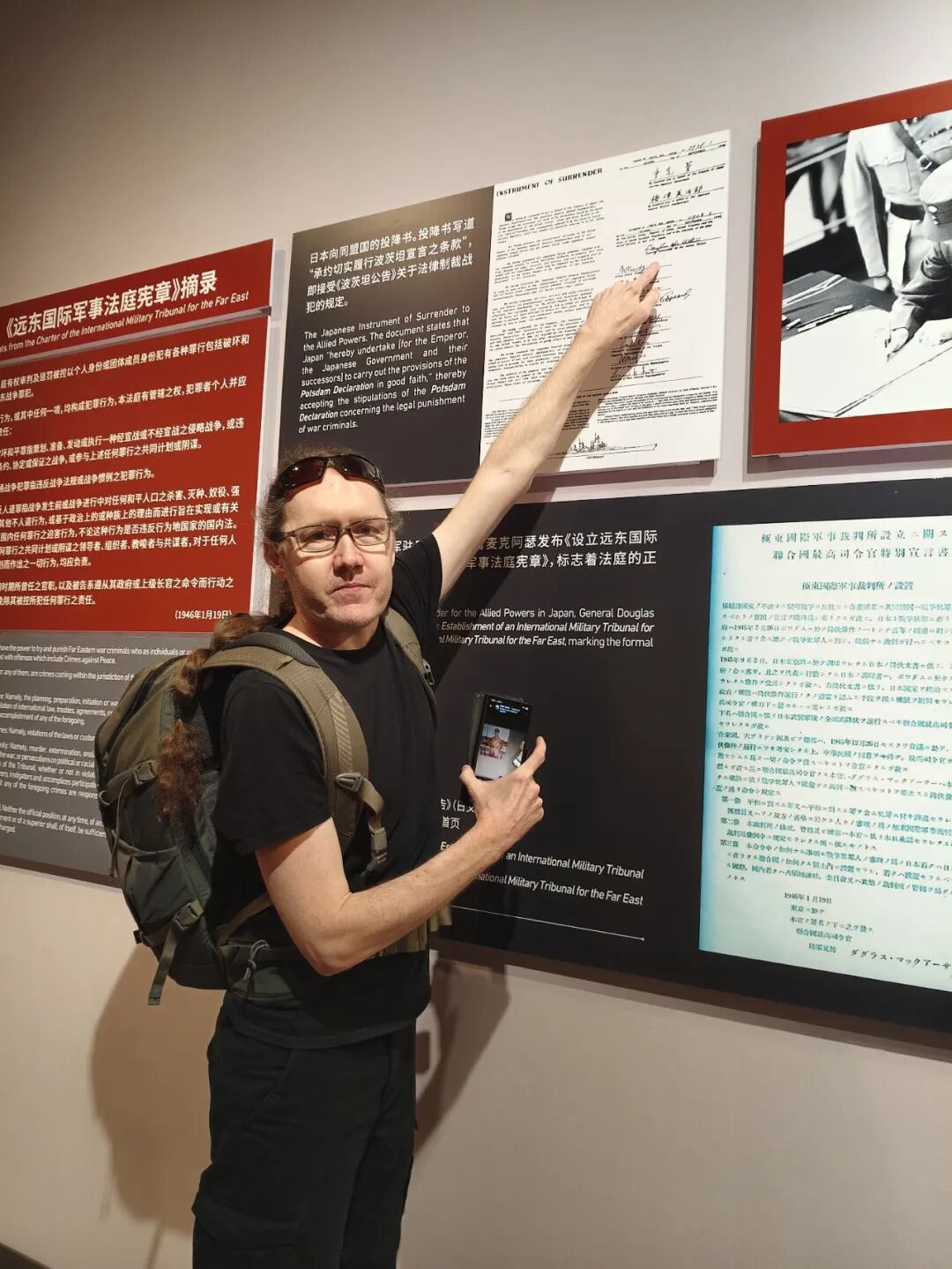
An Exhibition of Archived Documents on the Tokyo Trials Opens
To mark the 80th anniversary of the opening of the International Military Tribunal for the Far East (Tokyo Trial), the “Indisputable Justice — An Exhibition of Archived Documents on the Tokyo Trials” has opened at the Memorial Hall, attracting large numbers of visitors as well as more than 60 Chinese and international scholars and experts.
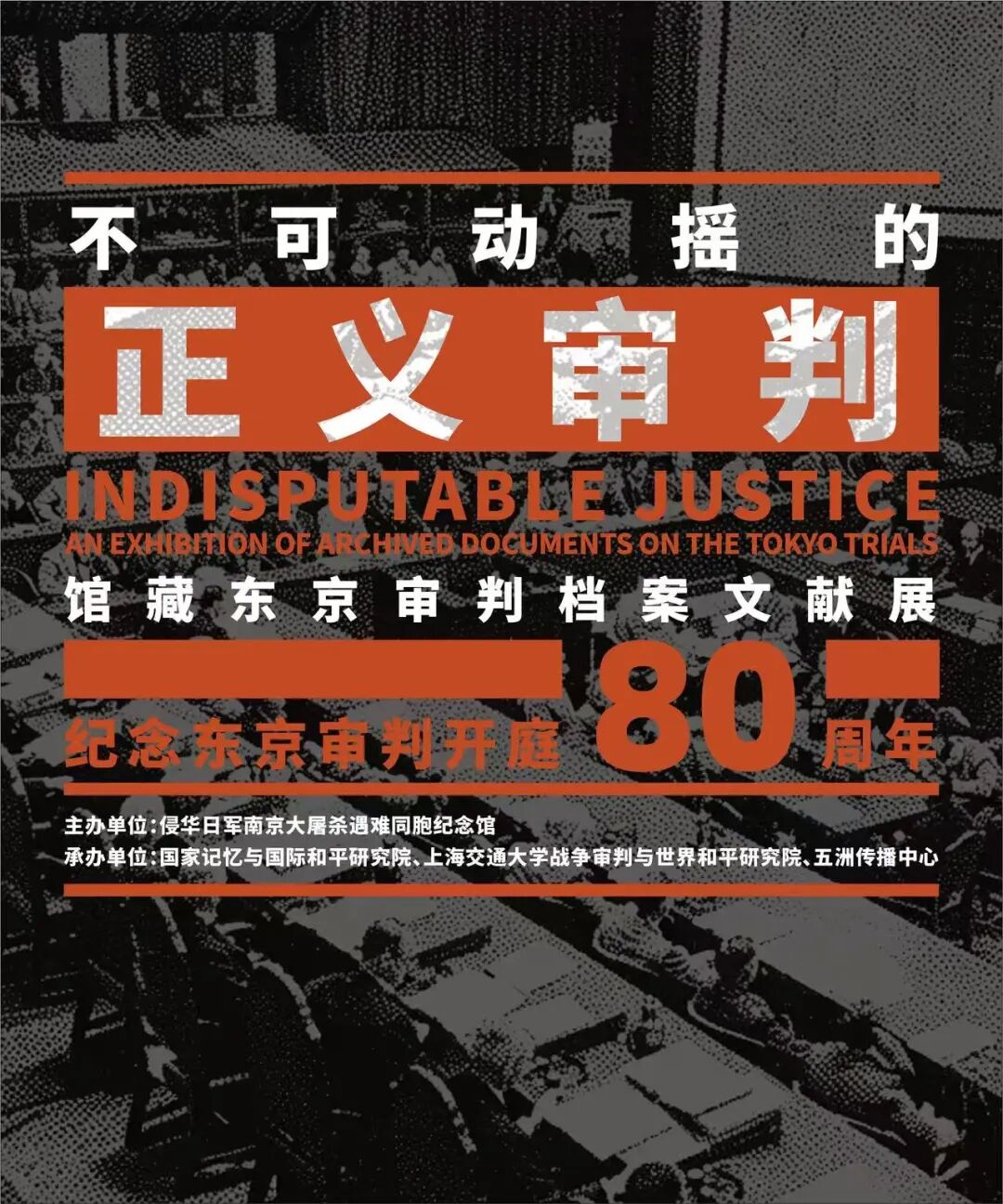
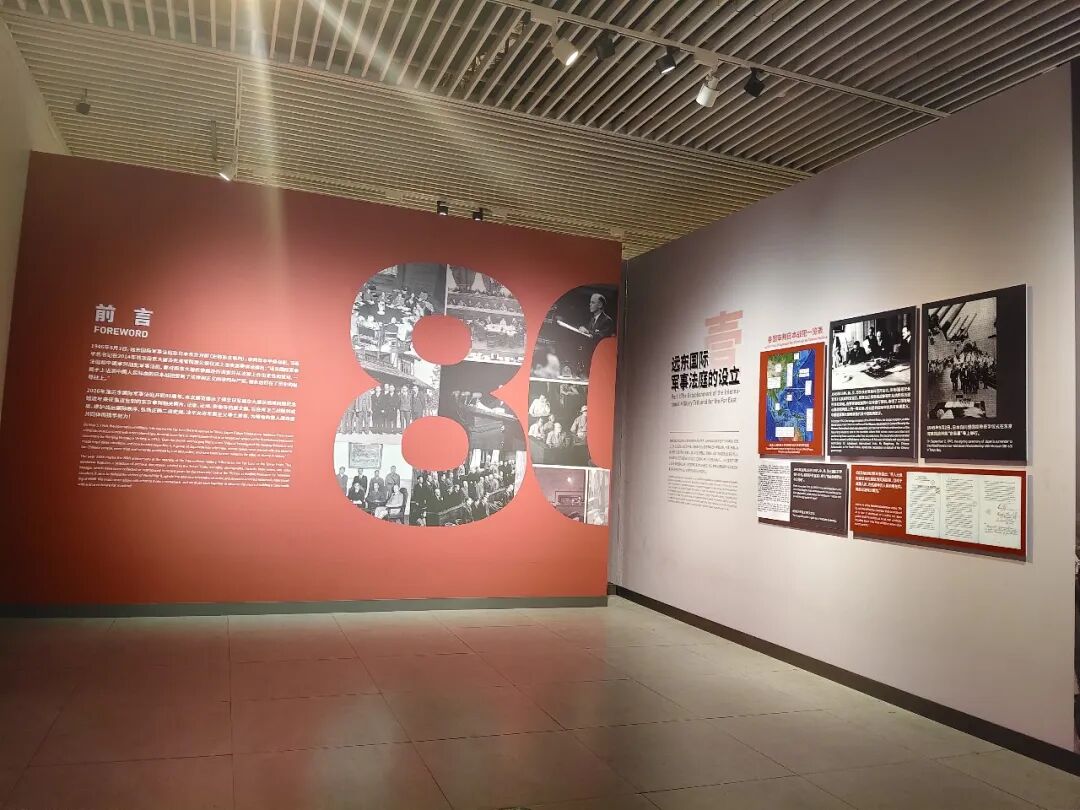
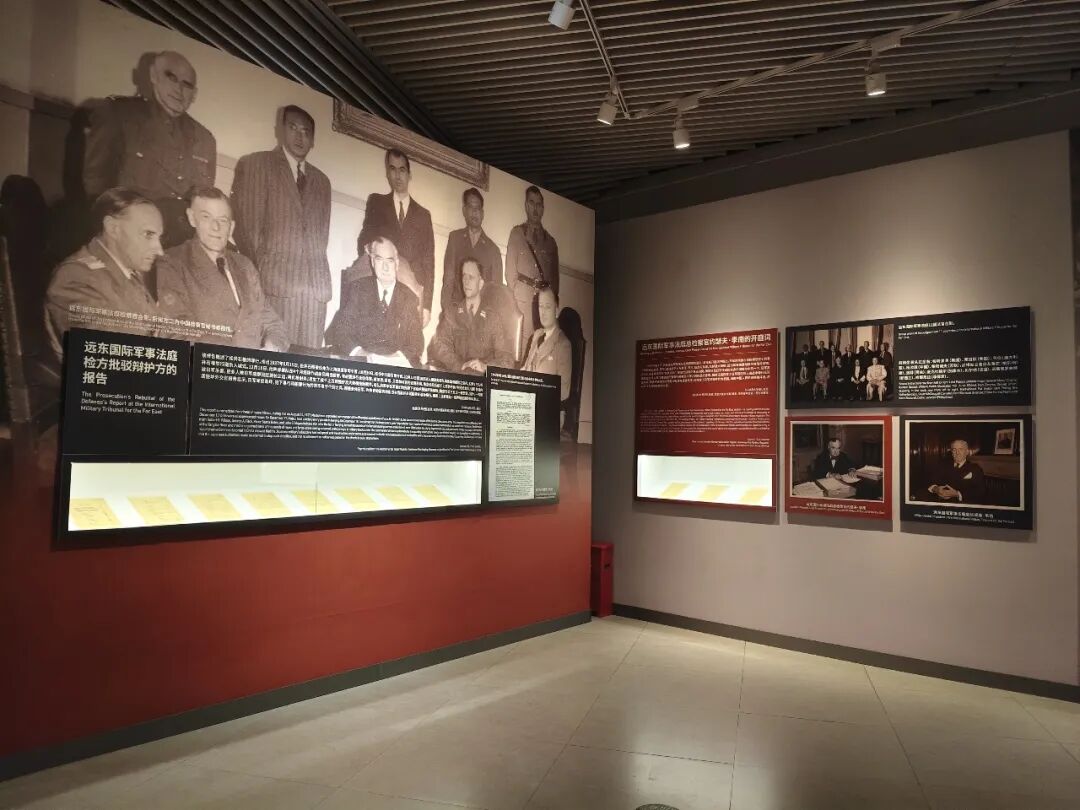 At the Exhibition
The exhibition is organized into three sections: “The Establishment of the International Military Tribunal for the Far East”, “The Trial of the Nanjing Massacre Case”, “The Verdict of Law”. Through yellowed archival photographs, courtroom records long sealed away for decades, and authoritative scholarly studies, visitors are transported back to the international courtroom in Ichigaya, Tokyo in 1946, where a historic judgment on behalf of humanity and justice was delivered.
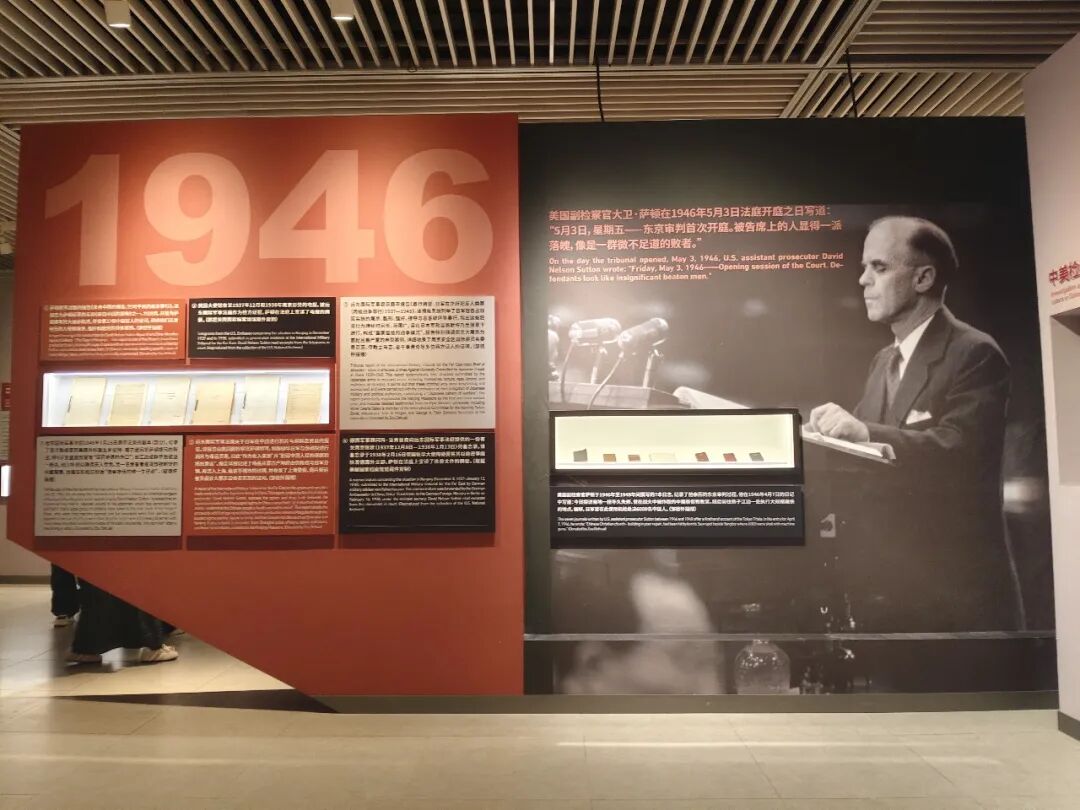
The 18 items (sets) of the “Sutton Archives”, being displayed publicly for the first time, include David Sutton's handwritten journals, an 89-page report on Japan’s atrocities in Nanking, and other key historical documents
The exhibition also substantiates the crimes committed by Japanese invaders through testimony from Chinese and foreign witnesses, and even perpetrators.
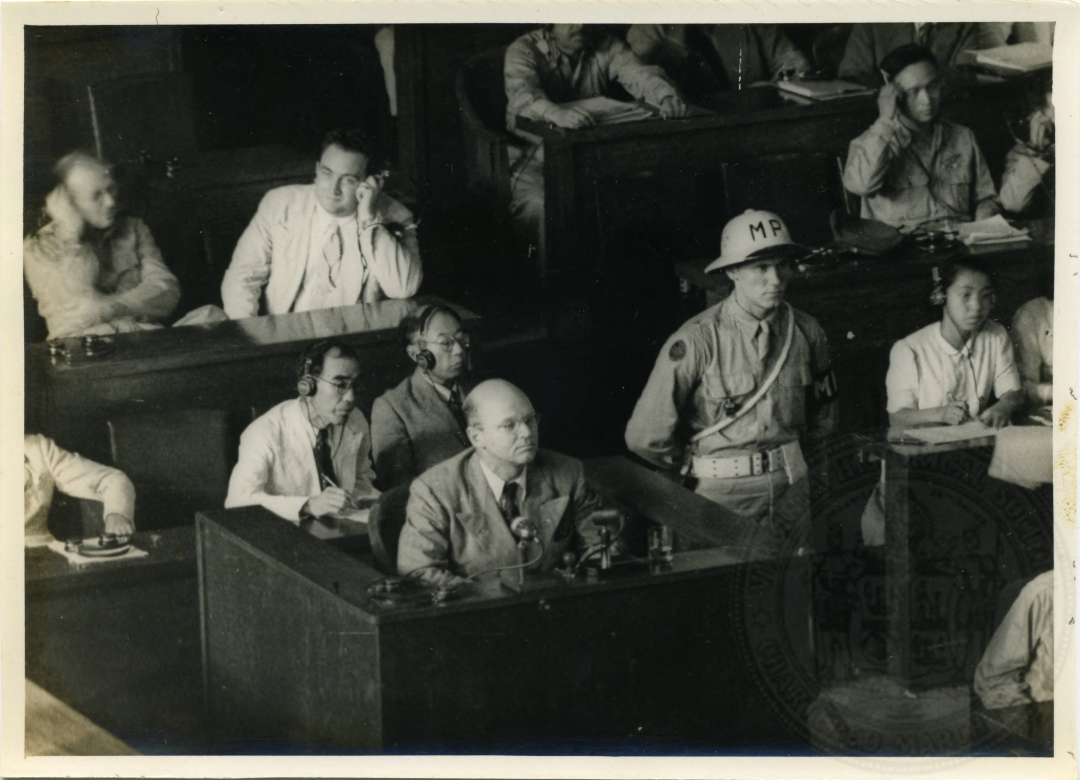
Robert O. Wilson, the only surgeon who remained in Nanking during the Nanjing Massacre, became the first witness to testify on the atrocities before the Tribunal. He recounted that an eight-year-old Chinese boy had suffered “a deep penetrating wound” to the abdomen caused by a Japanese bayonet. He also described how groups of civilians along the Yangtze River were systematically shot and then stabbed with bayonets to ensure that no one survived. Only one Chinese policeman remained alive after a machine-gun massacre, becoming what Wilson described as “the sole survivor by sheer chance”
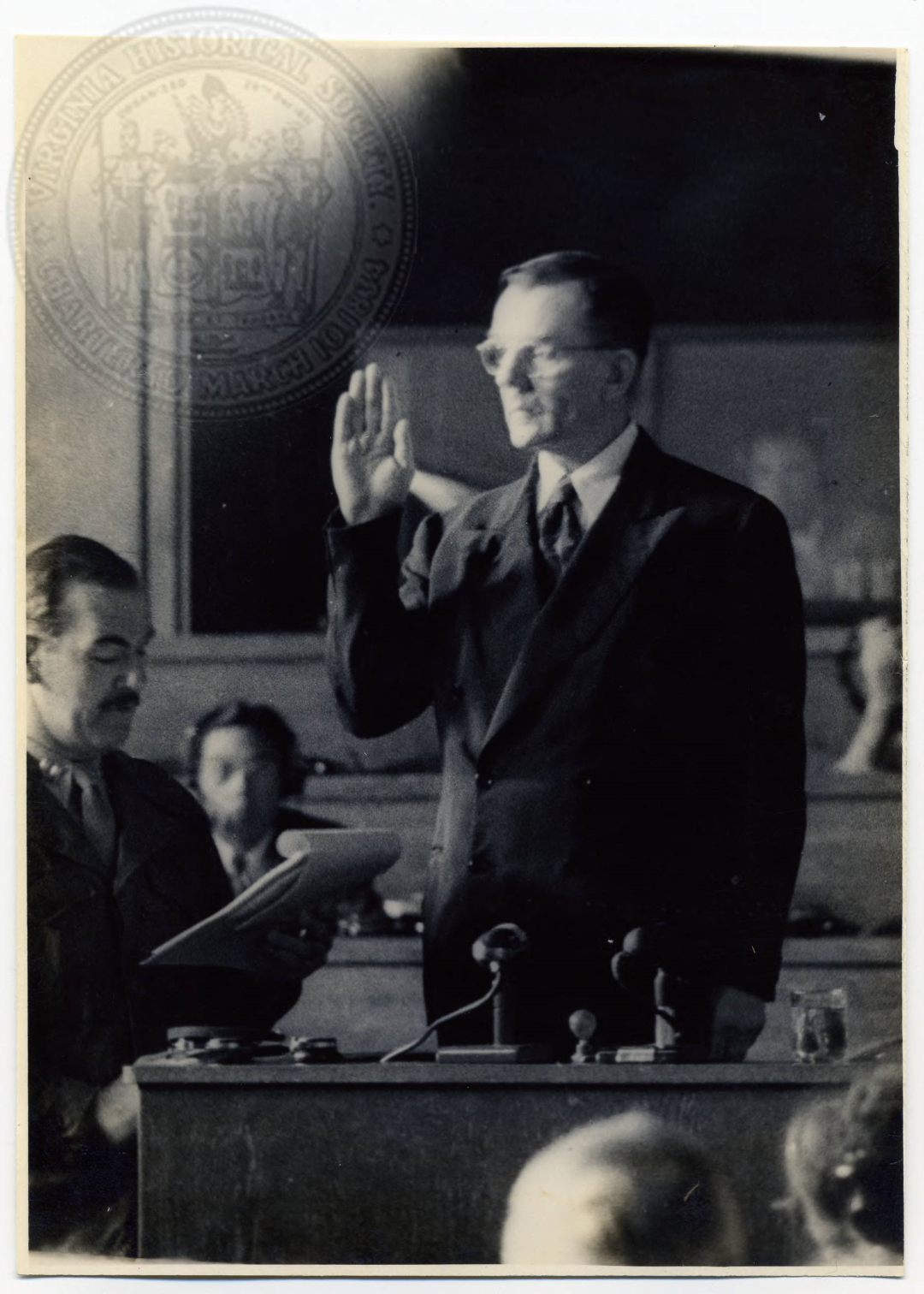
Miner Searle Bates, an American professor at the University of Nanking, documented numerous reports exposing Japanese atrocities during the Nanjing Massacre. In his testimony, he stated, “In the days following the Japanese entry into the city, the alleys and streets near my home were filled with the bodies of civilians. The scale of the massacre was so enormous that no one could fully describe it.”
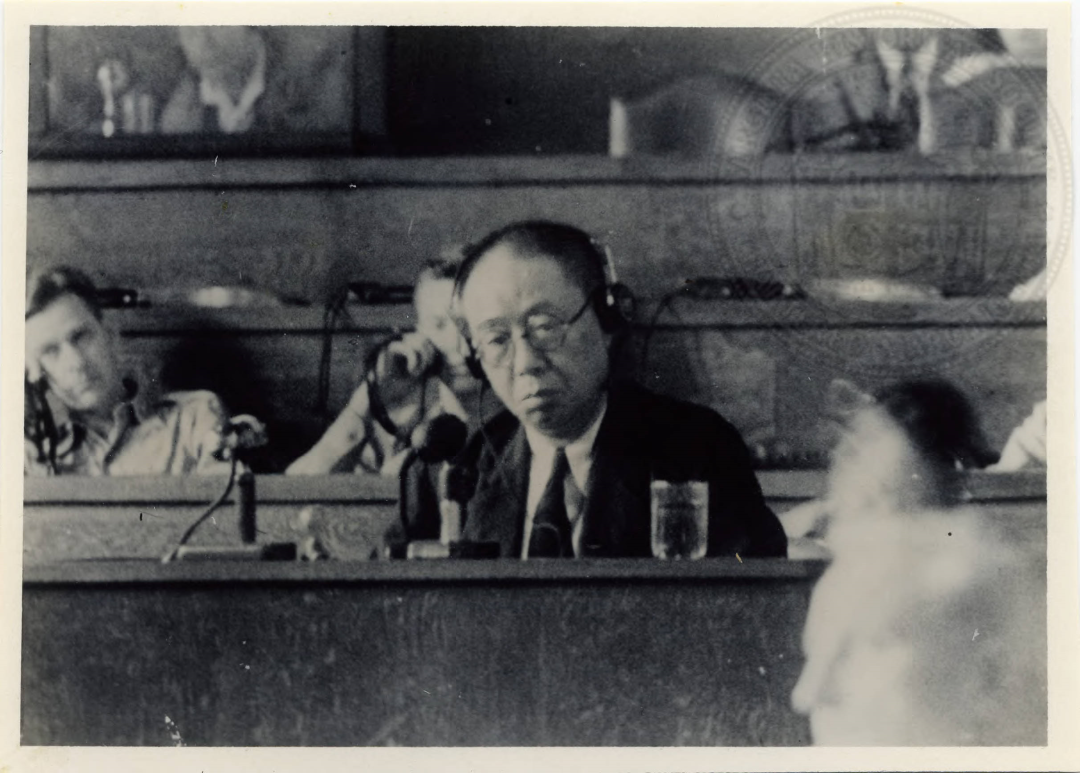
Xu Chuanyin, who served as head of the Housing Committee of the International Committee for the Nanking Safety Zone during the Nanjing Massacre, carried out extensive relief work for refugees
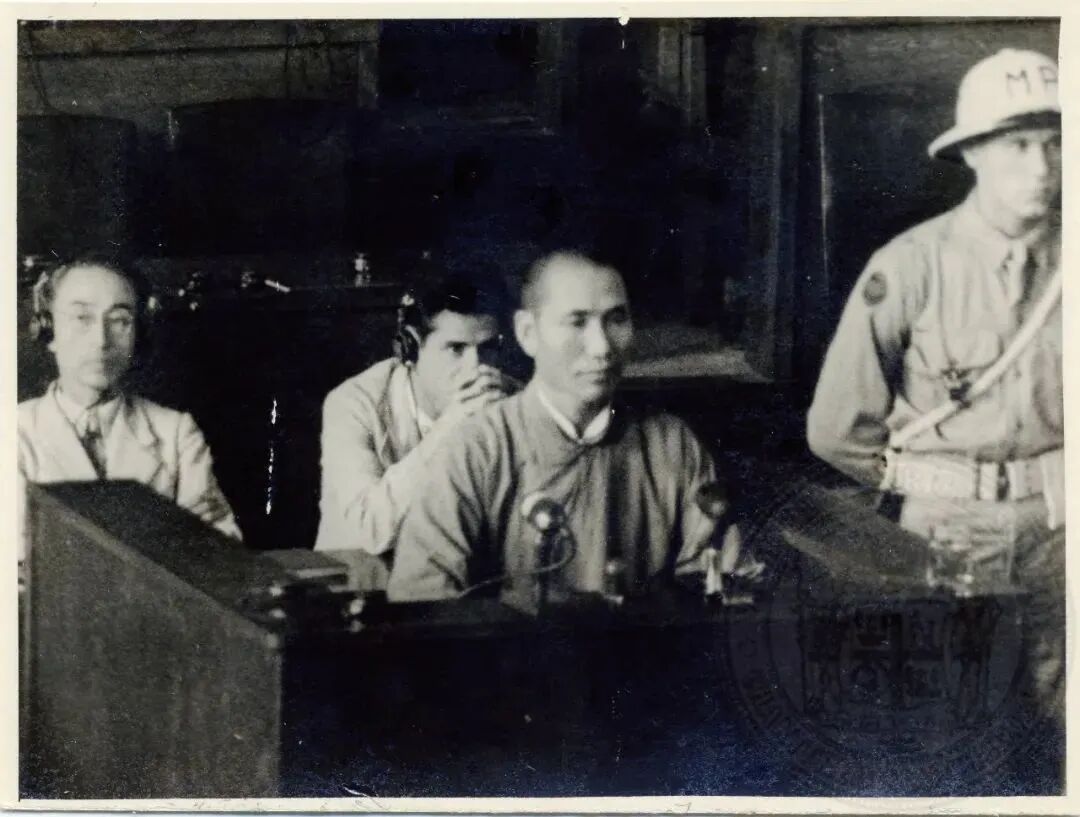
Wu Changde, a survivor of the mass killings committed by Japanese invaders outside Hanzhong Gate, testified before the International Military Tribunal for the Far East on July 26, 1946, exposing the atrocities committed by Japanese invaders
The exhibition also features testimony from diplomat Nobufumi Ito, who served as a Japanese intelligence officer and later became Director of the Cabinet Intelligence Bureau after 1940. He testified that foreign diplomats and journalists repeatedly informed the Japanese government during the war about the “various atrocities” committed by Japanese troops in Nanjing. However, the Japanese military authorities never conducted any investigation into these reports.
In recent years, right-wing forces in Japan have continued to evade and refuse serious reflection on the history of aggression. Through the revision of history textbooks and visits to Yasukuni Shrine, they have sought to whitewash Japanese militarism while persistently attacking the justice and legitimacy of the Tokyo Trial. Against this backdrop, the exhibition serves as a powerful response to historical nihilism. These ironclad archival records and historical materials stand as some of the strongest guardians of historical truth.
Professor Yang Xiaming, Researcher at the Institute for National Memory and International Peace Studies, observed that although concise in scale, the exhibition effectively presents the core facts of the Nanjing Massacre case. The large number of valuable documents being displayed for the first time provides important evidence for Chinese and international audiences seeking to understand how the Tokyo Trial ultimately sentenced Matsui Iwane and Hirota Kōki to death by hanging.
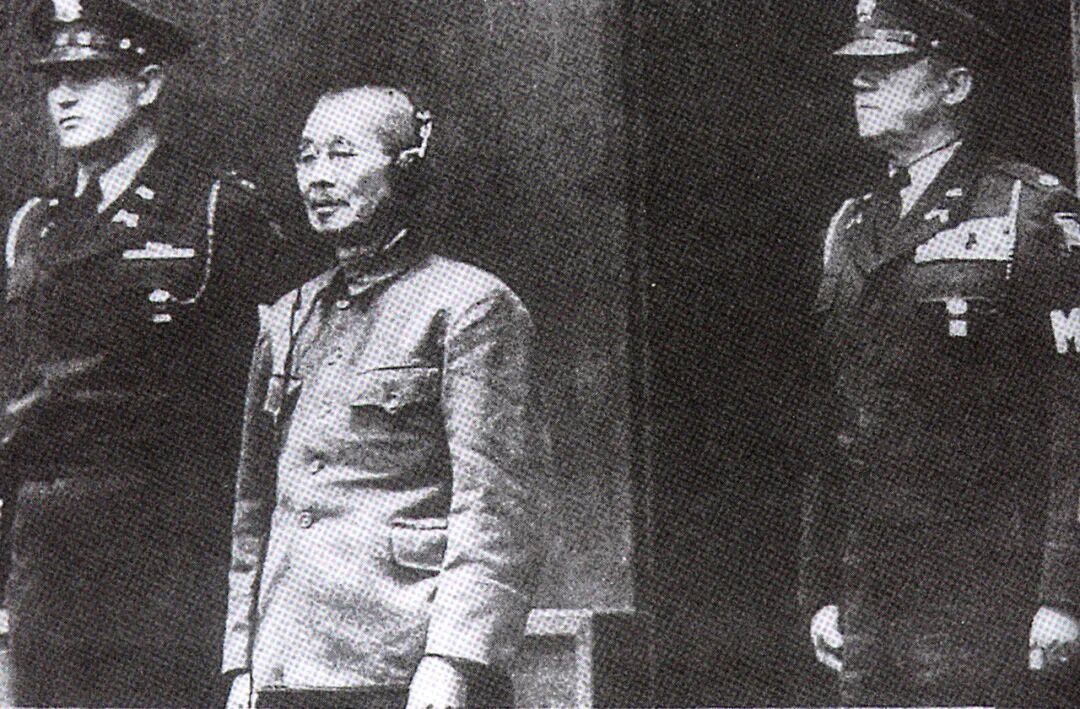
Matsui Iwane
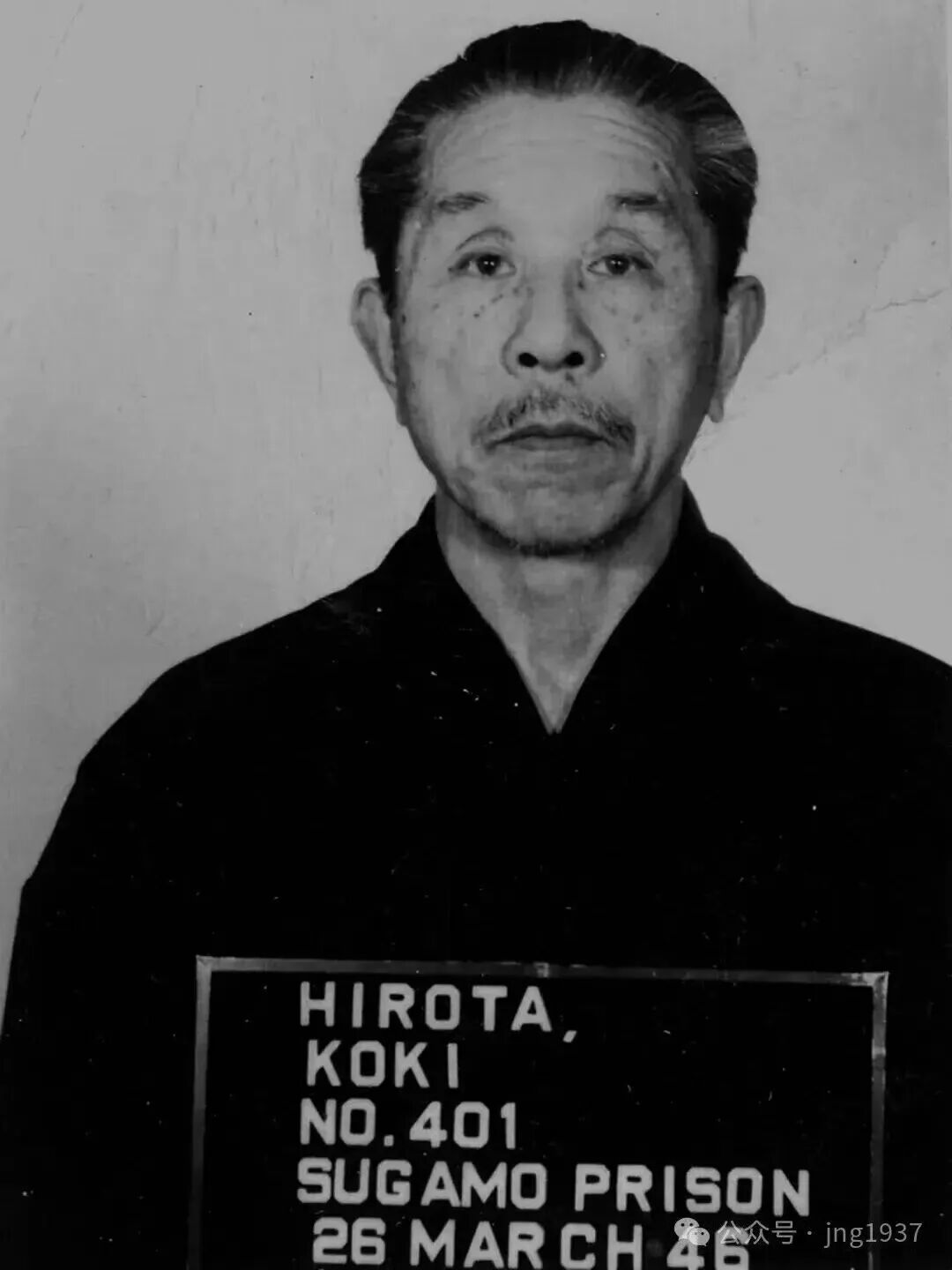
Hirota Kōki
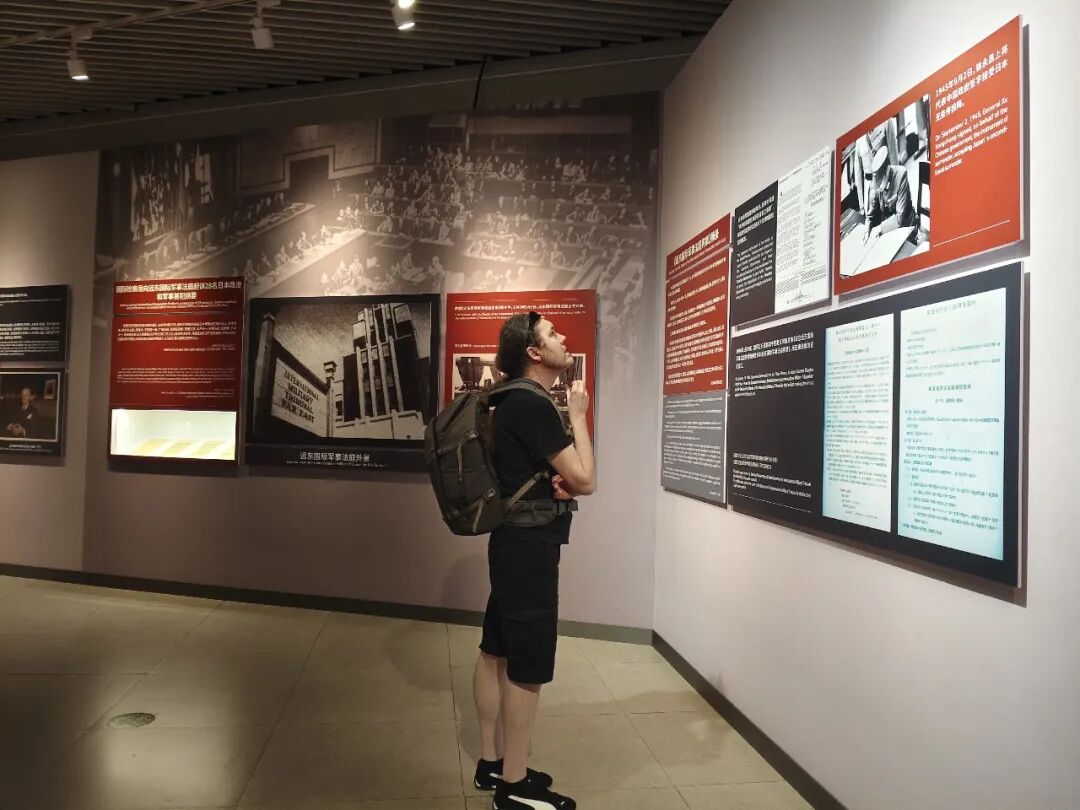
Upon seeing MacArthur’s signature on the Japanese Instrument of Surrender, Sinclair Newey, a visitor from Brisbane, Australia, remarked that there is a museum dedicated to MacArthur in his hometown. “I learned about this history in high school, but this is my first visit to the Memorial Hall. Only now do I truly understand its significance,” he said. “I believe it is extremely important for people to visit this Memorial Hall. Here, they can learn what happened, understand the depth of the suffering endured, and help ensure that such tragedies are never repeated in the future.”